
In this episode of Monday Matters, I sat down with an incredible leadership team from Palo Alto High School to talk about teamwork, leadership growth, healthy conflict, student voice, and the value of slowing down long enough to think deeply together.
This mastermind team has been meeting regularly for several years, and I’ve had the privilege of coaching them both collectively and individually. What emerged in this conversation was an honest look at the emotional weight of school leadership, the importance of trust, and how intentional collaboration shapes the way leaders serve teachers and students every day.
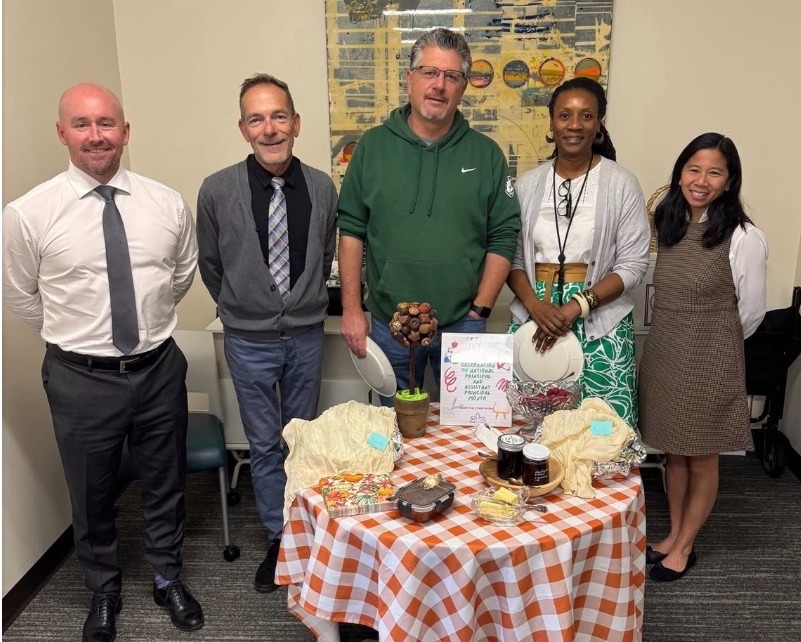
Meet the Leadership Team
Why Leadership Teams Need Time to Slow Down
One of the strongest themes from our conversation was the importance of creating intentional space to process complex leadership challenges together.
Jerry Berkson shared that the team’s coaching conversations help them “slow down for a minute and break things down.” In a profession filled with constant urgency, having structured time to reflect creates clarity and better decision-making.
Mike Stieren added that healthy disagreement and structured discourse lead to stronger solutions. Rather than reacting from frustration or assumptions, the team has built a culture where leaders can safely challenge one another’s thinking while remaining unified in purpose.
Leadership Can Be Therapeutic
LaDonna Butler described leadership as “challenging every day,” especially when leaders are expected to care for both the academic and emotional needs of students and staff. She emphasized how important it is for leaders to have a place where they can process difficult situations honestly and thoughtfully.
Brent Kline echoed that sentiment, describing the team’s conversations as deeply rooted in trust. He explained that leadership can often feel isolating, but having a team where shields can come down creates space for authentic conversations and real support.
Rebecca Shen-Lorenson emphasized intentionality. For her, these conversations help clarify the core issue beneath the surface and sharpen communication with students, teachers, and families.
The Power of Trust and Accountability
Another powerful part of the discussion centered around how strong teams hold each other accountable.
Jerry reflected on how simply watching teammates work hard motivates everyone else to do the same. He also acknowledged how difficult it can be for leaders to ask for help—and how freeing it can be when they finally do.
Brent used a powerful metaphor when describing school leadership. Outside the office, leaders often walk into conversations with their “shields up,” constantly protecting their decisions and values. But inside trusted relationships, those shields can come down.
That level of trust allows leaders to ask hard questions, hear difficult truths, and stay grounded in relationships rather than assumptions.
Translating Teamwork Into School Culture
The team also discussed how their collaboration influences the way they lead teachers and students.
Mike Stieren reflected on the challenge of being middle managers in education—balancing district initiatives while still advocating for what makes sense for their unique student population. He praised Brent’s leadership for encouraging thoughtful pushback rather than blind compliance.
That same collaborative mindset has shaped the way the school approaches student leadership.
Brent shared how he intentionally stepped back from controlling the school’s Principal Advisory Committee (PAC) so students could take greater ownership of the work themselves. Rather than adults driving every conversation, students are increasingly shaping discussions around school culture and mental health initiatives.
He also discussed partnering with the student mental health organization “Bring Change to Mind” to ensure student voices remain central in future wellness initiatives.
What I Admire About This Team
As I reflected during the conversation, there are several things I’ve deeply appreciated watching this team build together over the years:
- A strong commitment to student wellness
- Honest listening sessions with teachers
- Intentional support systems for staff
- Collaboration around MTSS and PLC work
- A willingness to revisit hard decisions thoughtfully
- Leadership that continues growing stronger through reflection and accountability
No leadership team does this work perfectly. But this group models something important: they consistently bring difficult challenges to the table, seek clarity together, and move forward with actionable next steps.
Parting Advice for School Leaders
As we wrapped up the conversation, each leader shared a final thought for fellow school leaders.
- Jerry Berkson
“Communicate so you avoid assumptions on the other side.”
- Rebecca Shen-Lorenson
“Communication is really important with your team as well.”
- Brent Kline
“Leadership can be lonely. Great leaders create space for others to speak first, allowing the wisdom of the group to shape better decisions.”
- LaDonna Butler
“Keep students first and take care of your teachers.”
- Mike Stieren
“Education leaders must intentionally partner with and celebrate teachers while rebuilding trust and unity within school communities.”
Connect With Palo Alto High School
If this conversation resonated with you, I encourage you to connect with the team at Palo Alto High School and learn more about the work they’re doing to build collaborative leadership and student-centered systems.
Palo Alto High School https://paly.net
Now It’s Your Turn
If you’d like to connect with me about ways to grow in your leadership or with your teams, please reach out at will@williamdparker.com.
And as always, remember that nobody leads alone. Thank you for listening to Monday Matters, and thank you for doing what matters!